How Human Restoration evidence reaches assessment

MamaDEX assembles the Evidence Pack. A Proof Buyer later assesses it against its own requirement. This page shows the boundary between those two responsibilities.

How the route works

The evidence moves through three hands

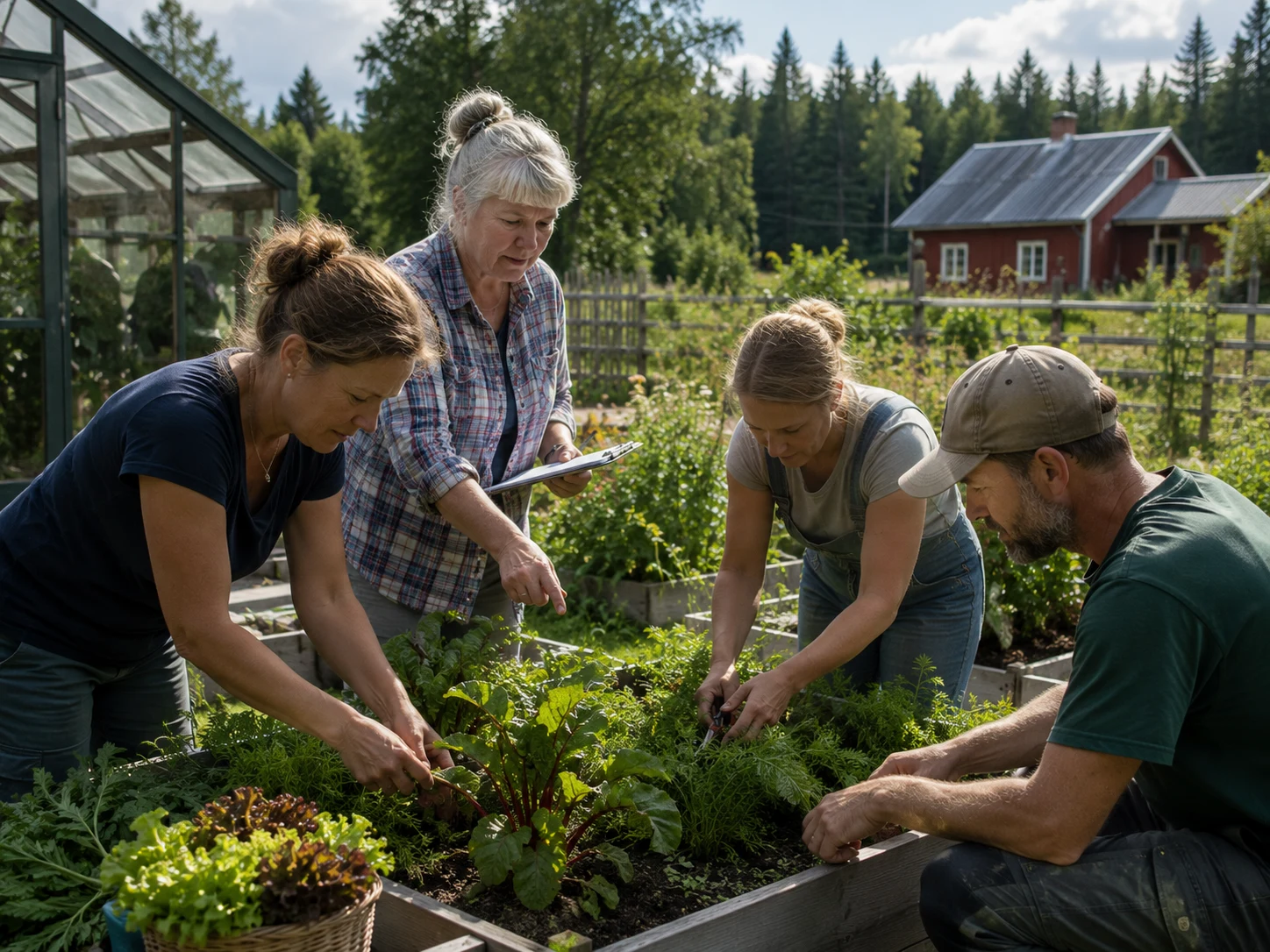
A Finnish community group working together in a food garden

At origin

Community activity

People participate in learning, work, care, growing, restoration support or another governed Human Restoration activity.

Records

The activity produces dated records such as attendance, consent, delivery, competence, payment, safety or accountability records.
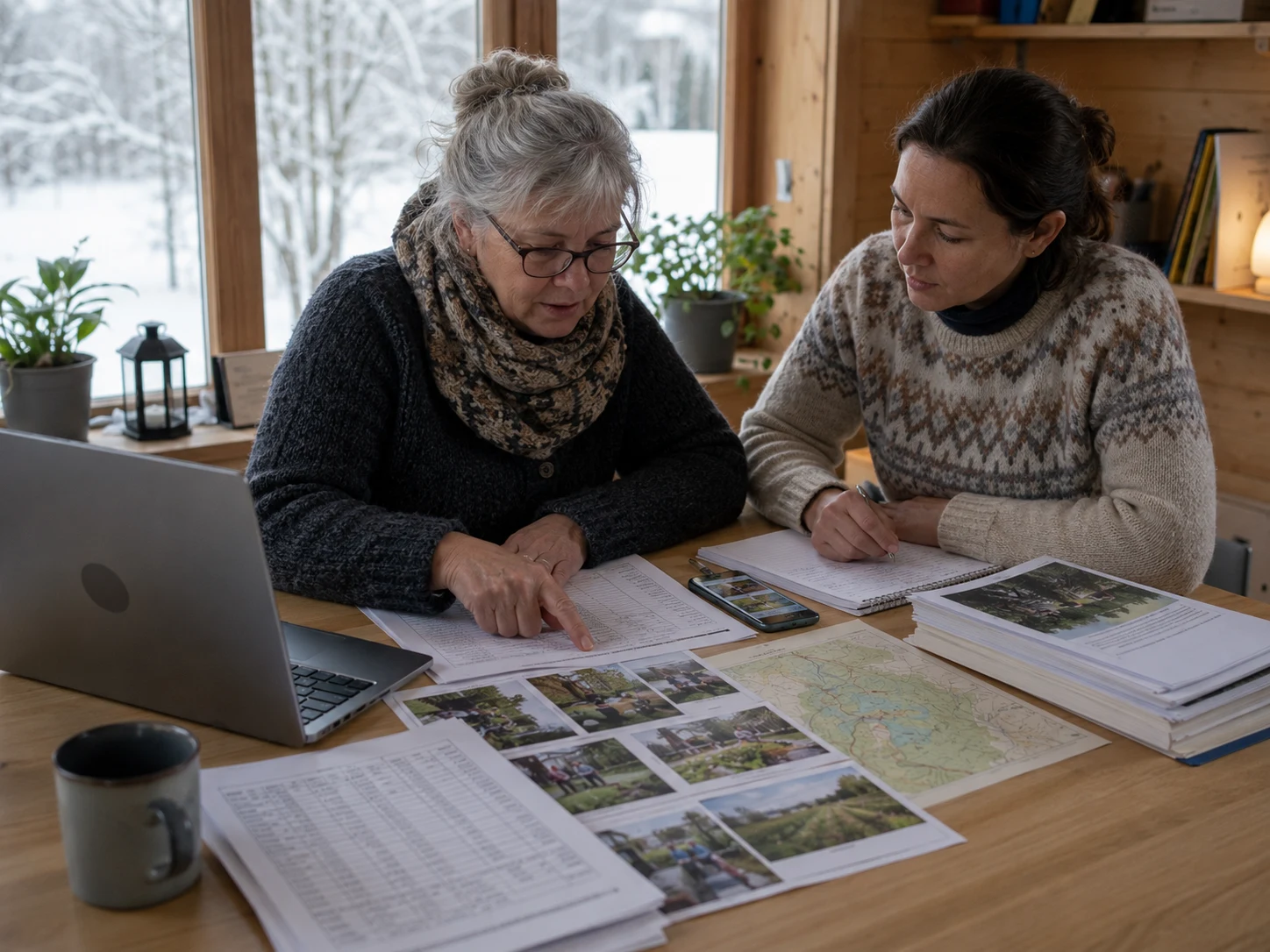
Two women organising community records at a Finnish centre

Inside MamaDEX

Evidence

Relevant records are checked, organised and connected to the programme, place, period and claim being supported.

Evidence Pack

MamaDEX assembles the required evidence and context into a structured Evidence Pack.

A downstream reviewer assessing a Human Restoration Evidence Pack

Beyond MamaDEX

Downstream assessment

The Proof Buyer assesses the pack against its own requirement. It may accept it, reject it or ask for further evidence.

Buktika term: A Viridian is the organisation-side participant that may act as the Proof Buyer in this journey.

Pack contents

What may enter an Evidence Pack

The actual records vary according to the programme and downstream requirement.

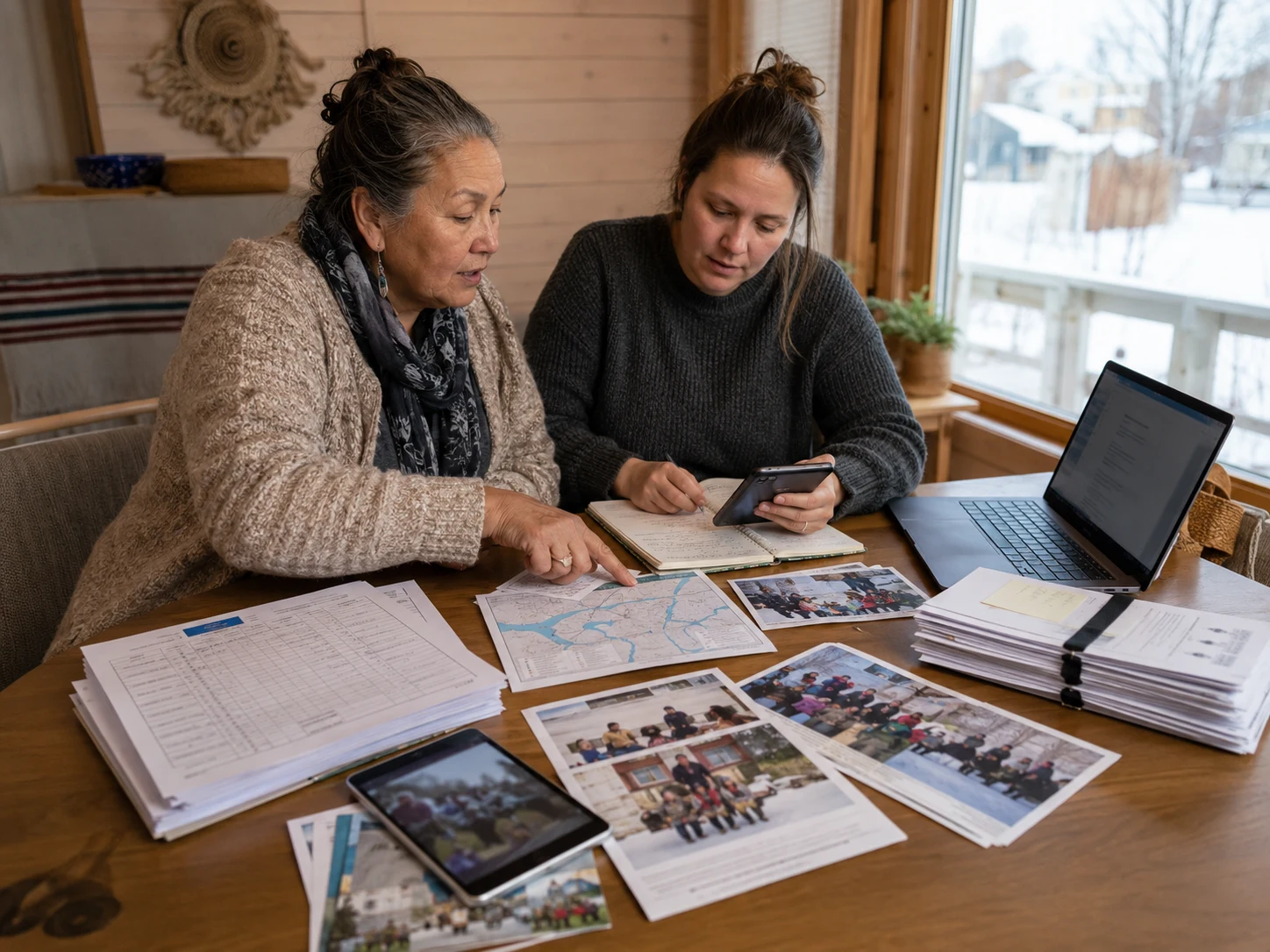
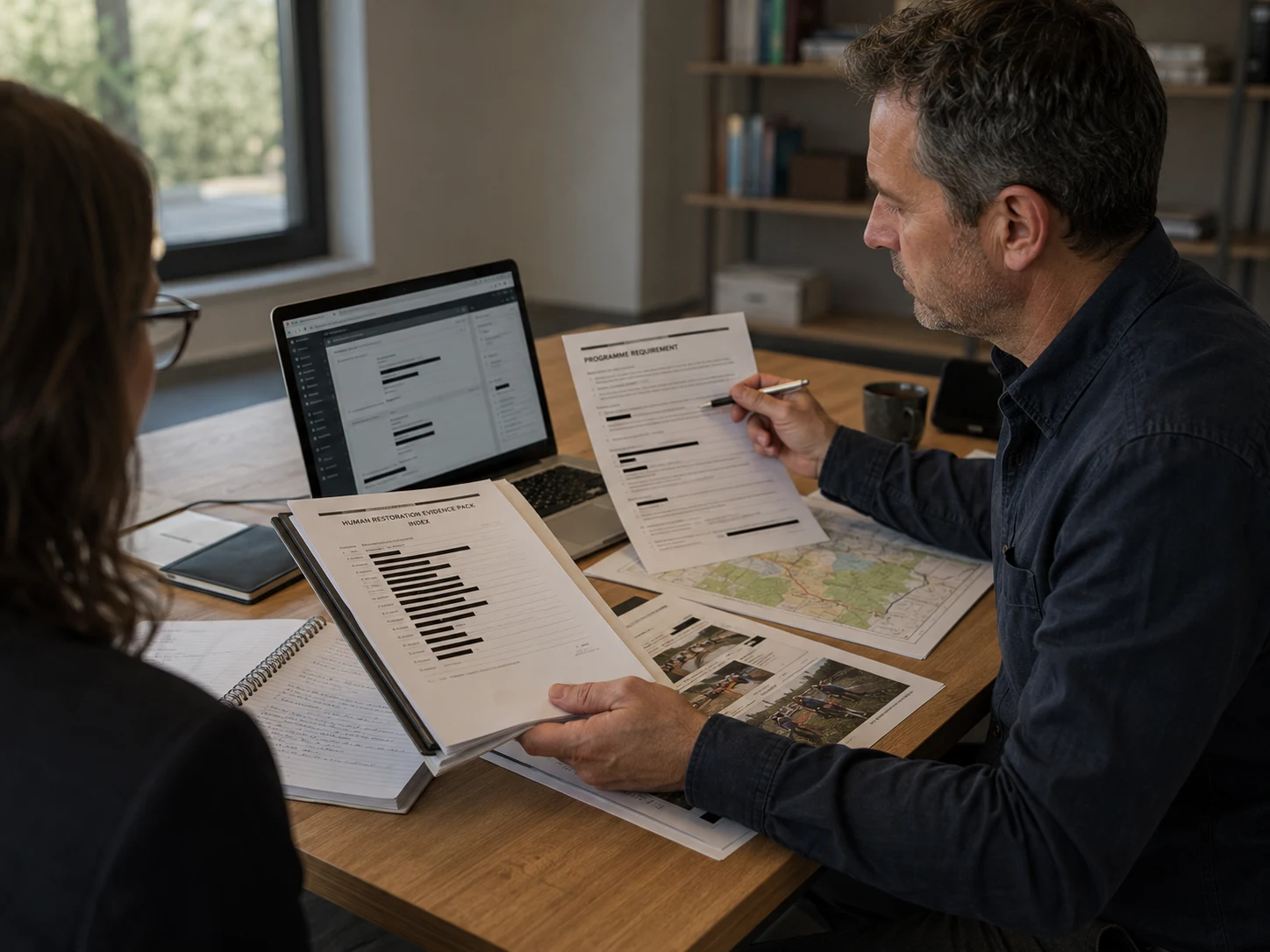
Maps, photographs, lists, notes and digital records being reviewed for a Finnish Evidence Pack

People and participation

Participation, attendance, learning, competence and consent records.

Work and value

Activity, delivery, payment and responsible-party records.

Payment records here mean programme records tied to the defined centre work, agreed value and responsible party. They do not mean a Mama's unrelated household records or private business receipts.

Safety and accountability

Safeguarding, grievance, approval, exception and resolution records.

Place and context

Centre, programme, location, period and other relevant contextual information.

Claim boundary

MamaDEX assembles. The buyer decides.

An organised Evidence Pack is not automatically accepted proof.

MamaDEX-to-assessment responsibility boundary MamaDEX organises community records into an Evidence Pack. A separate Proof Buyer then applies its requirement and decides whether to accept, reject or request more evidence. MamaDEX organises Example: a selected Finnish MamaDEX Evidence Pack Records community activity Checks context Organises relevant evidence Assembles the Evidence Pack Evidence Pack Organised evidence and context ASSEMBLES SUBMITS The Proof Buyer assesses Applies its requirement Tests whether the evidence is sufficient Accepts, rejects or requests further evidence MamaDEX assembles. The buyer decides. An organised Evidence Pack is not automatically accepted proof.

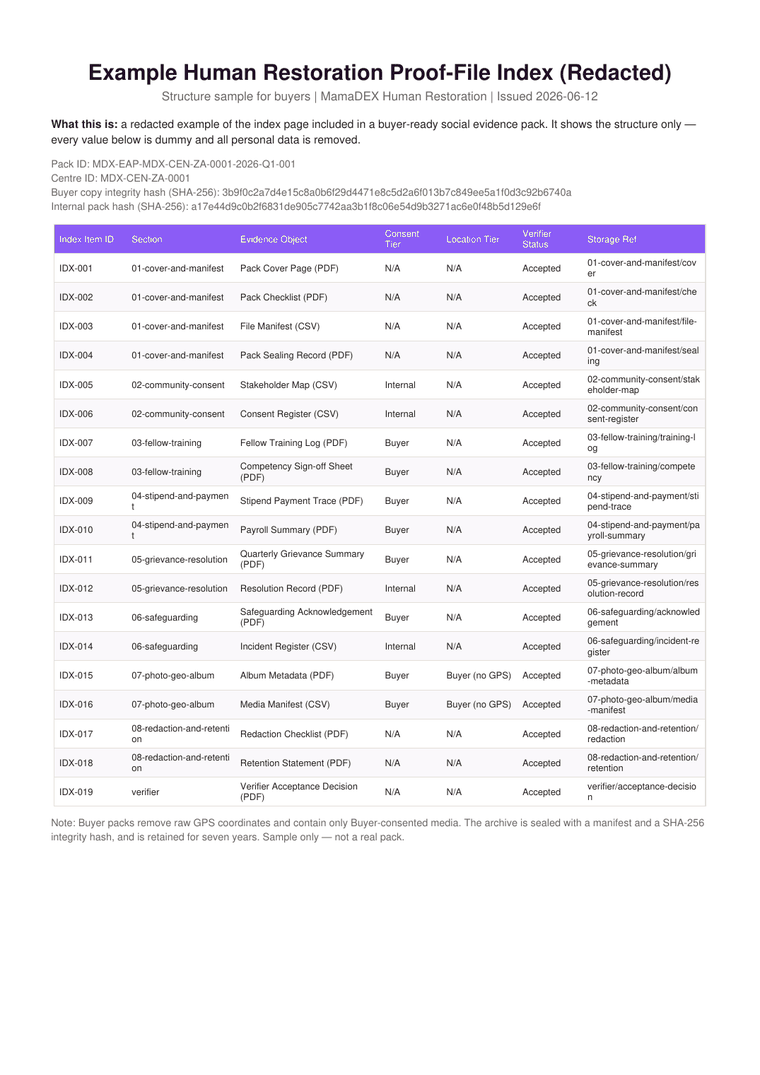
Open an illustrative Evidence Pack index

Preview of an illustrative Human Restoration Evidence Pack Index
Illustrative · Redacted · Structure only

Illustrative Human Restoration Evidence Pack Index

This redacted example shows a possible index structure. It illustrates organisation only and does not represent an accepted pack, a live participant record or a universal checklist.

Open the redacted example

All personal data redacted. Shows structure only. It is not a specific Mama, centre or live Evidence Pack.

Current publication status

No Human Restoration Evidence Packs are currently published for public selection. You may still choose a MamaDEX Centre to understand the evidence route or register interest. A pack will appear only after a governed public record has been published.

Find the MamaDEX evidence you want to consider

Choose the country and MamaDEX Centre, then review any published Human Restoration Evidence Packs available from that context.